


Lazy winter, vibrant spring
05/01/2026
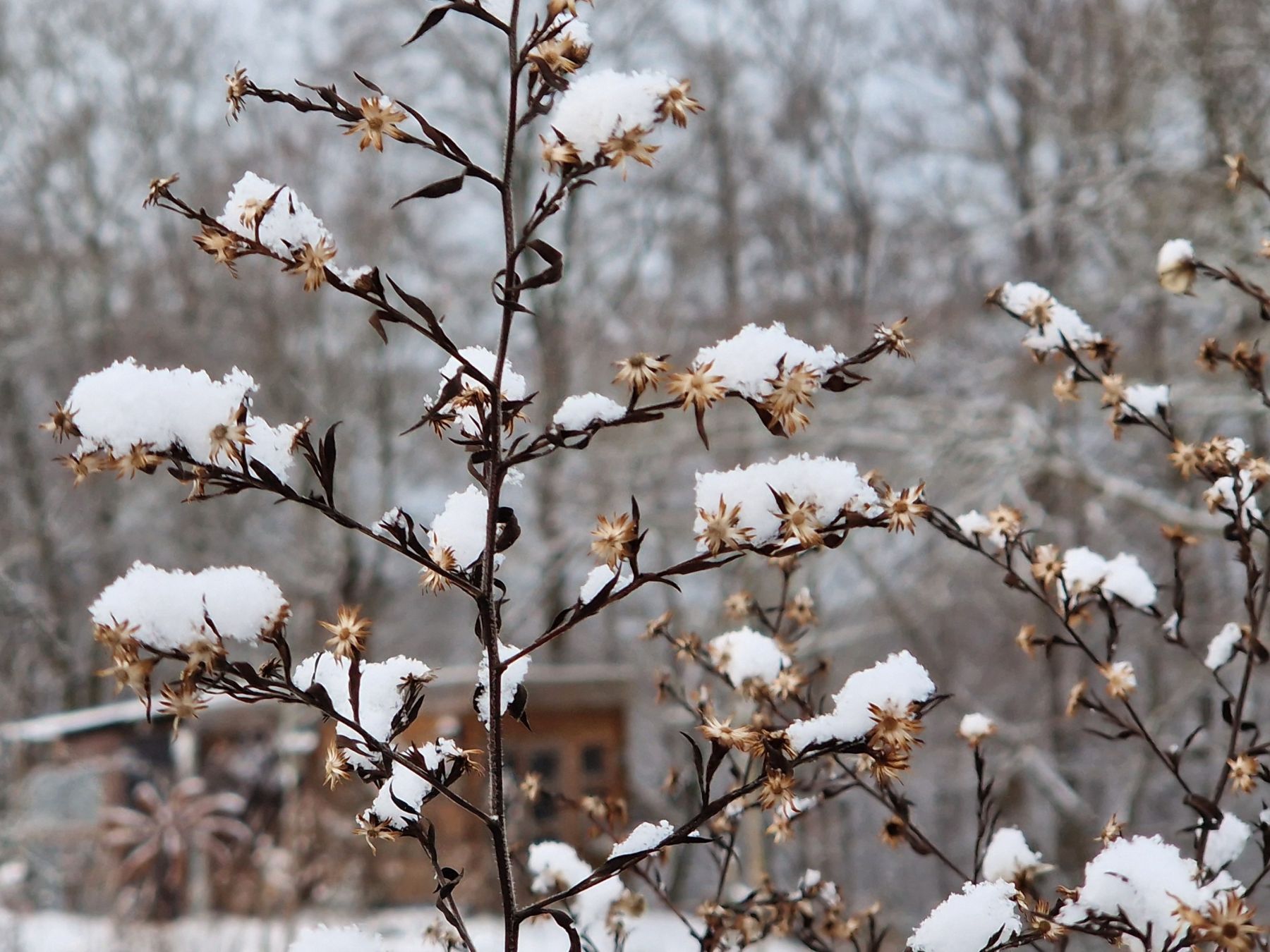
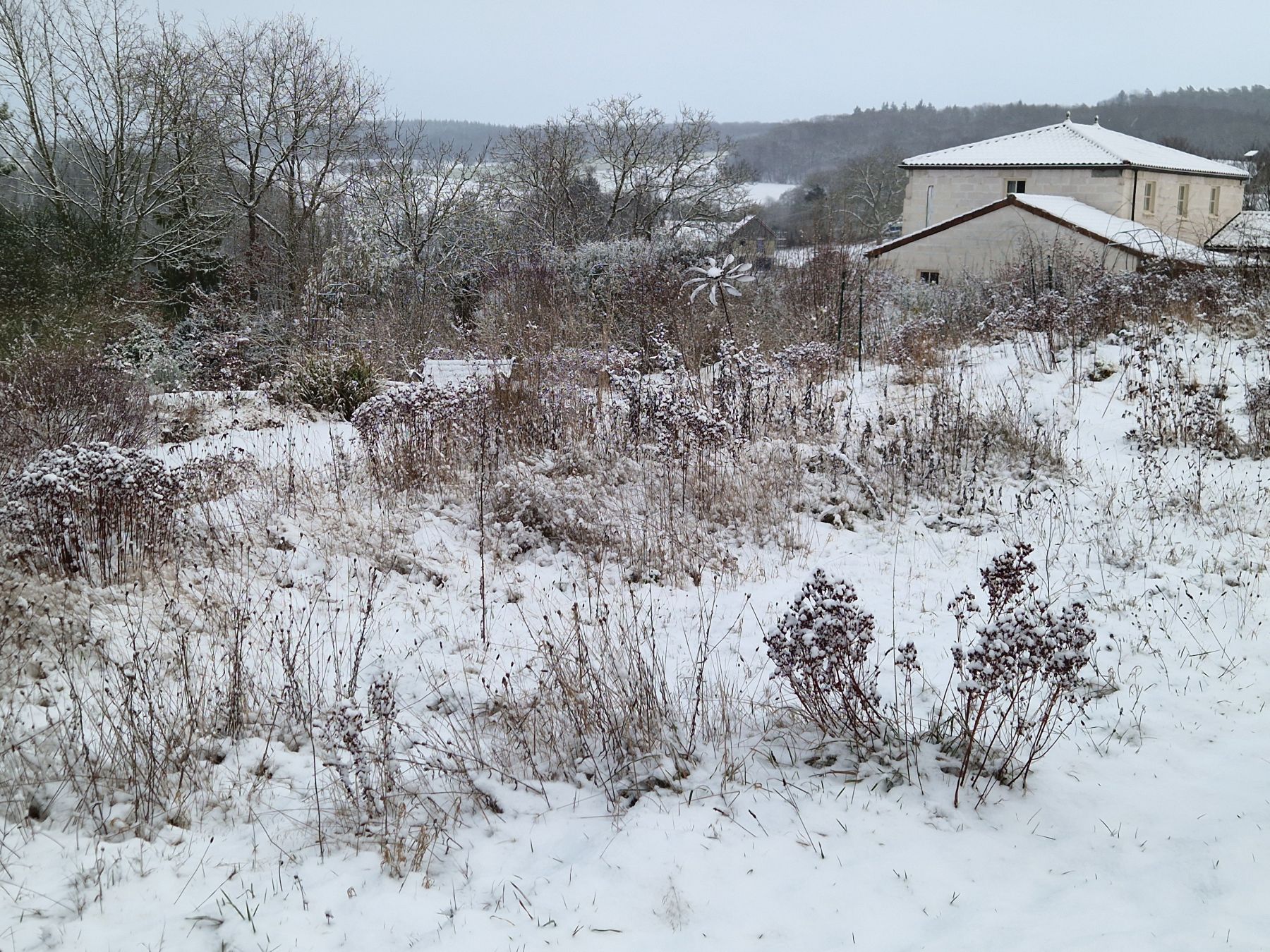
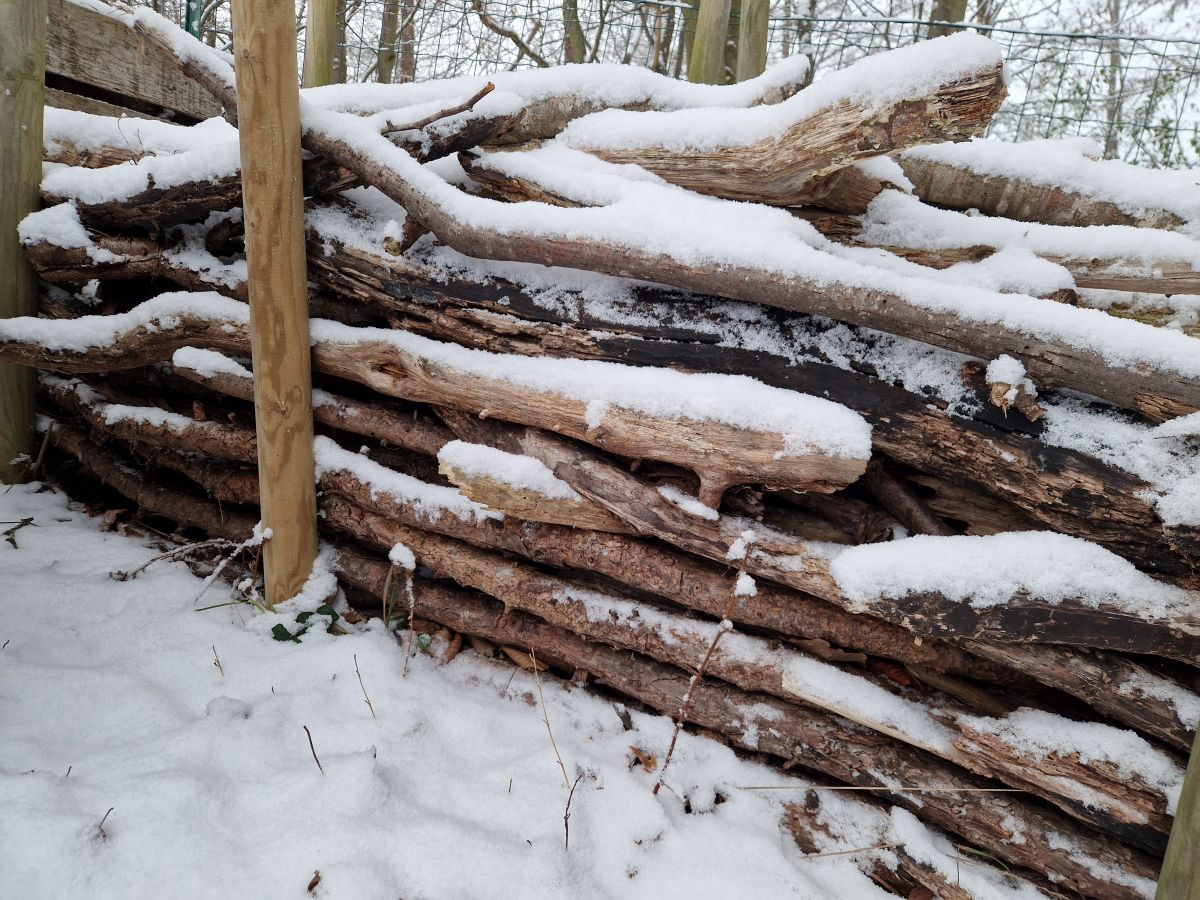
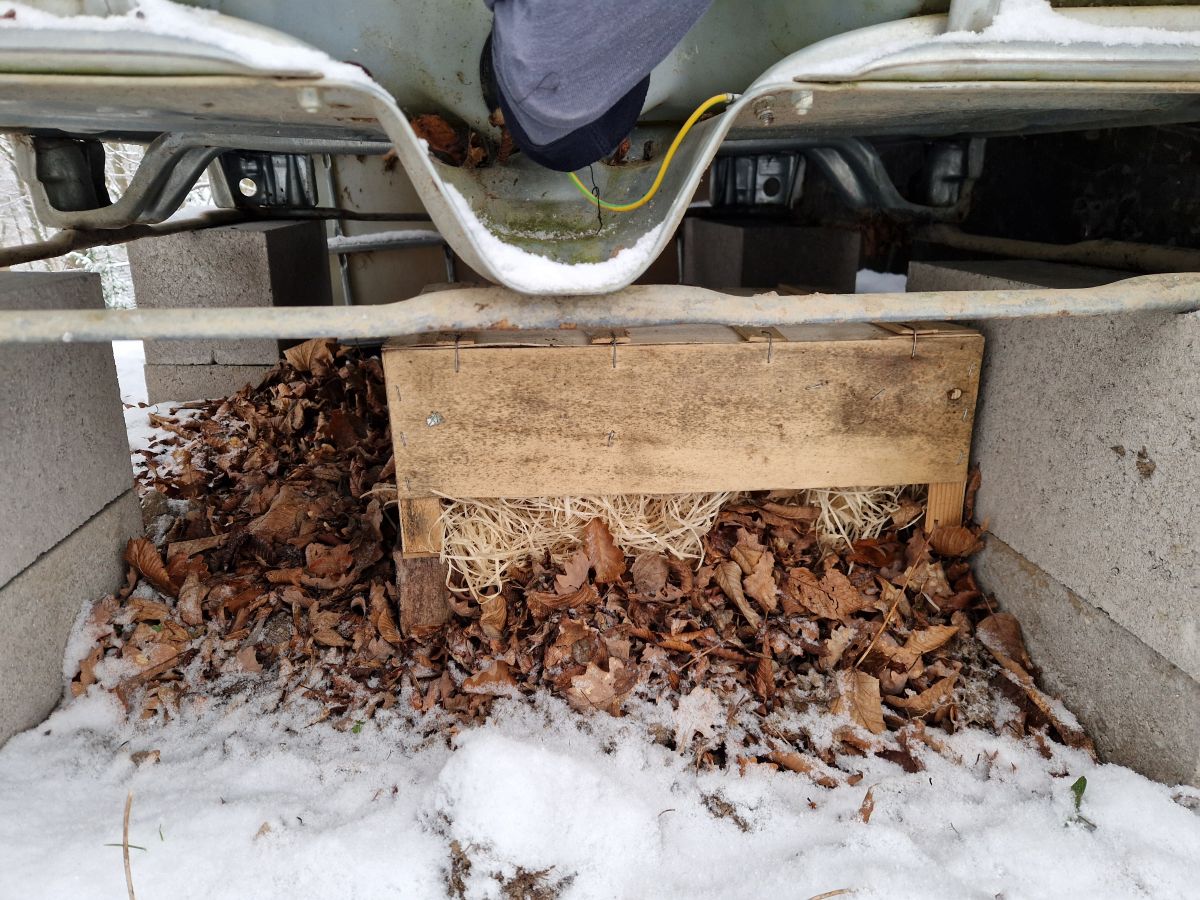
Personally, I am a big fan of a winter garden with character and structure: here and there tufts of long grass, beautiful winter silhouettes of dead flowers, stacked dead wood and piles of leaves. There are many good reasons not to tidy up your garden in winter. Here are the main advantages.
You don't see many insects in winter, but they are there. Some migrate away, others overwinter as adults, but the vast majority overwinter as eggs, pupae or larvae in the vegetation. Did you know that 30% of all native bees overwinter above ground in hollow stems as larvae, pupae or even as bees. The queens of bumblebees and wasps are also often found in stems, as are the eggs of grasshoppers. Many butterflies survive the winter as eggs, caterpillars or pupae in leaf piles, piles of dead wood, in vegetation , in the attic or in an old barn. They even produce a kind of antifreeze to do so! So it's a matter of not breaking that life cycle to give the next spring and summer's generations a chance. By tidying everything up neatly, you break that life cycle and a lot of species disappear from your garden even before spring starts.
You don't have to go into hibernation yourself, but feel free to be lazier in the garden and let everything take its natural course. In doing so, you will be doing nature a big favour - and you will be rewarded with guaranteed more life in spring and summer. Countdown!
Birds also have a harder time finding food in winter and rely heavily on dried seed pods and spent perennials. The European goldfinch, for example, loves the seeds of teasel, but the seeds of wild carrot, common hogweed, thistles and sunflowers are also loved by many bird species. In addition, there are numerous berries and nuts from hedge plants and shrubs that are indispensable during this period.
The dead parts of plants provide shelter for hedgehogs, mice and numerous insects, while protecting the roots of plants from frost. They form, as it were, a natural mulch layer that slowly composts and enriches the soil. This benefits the entire soil food web: fungi, bacteria, earthworms, beetles and ants benefit. So less work in the garden means a healthier and more resilient garden - and with a layer of snow or frost on top, it is also wonderfully beautiful.
In early spring you may tidy up, from a soil temperature of 10-12°C when most life awakens. This is when the first green leaves and young shoots raise their heads, so it is good to give them more room to grow. The green waste can then simply be put on the compost heap, because nothing goes to waste in an ecological garden.
Comments
- Weeral nuttige info en tips opgestoken 😊 Merci daarvoor. (Johan)
Add a comment